
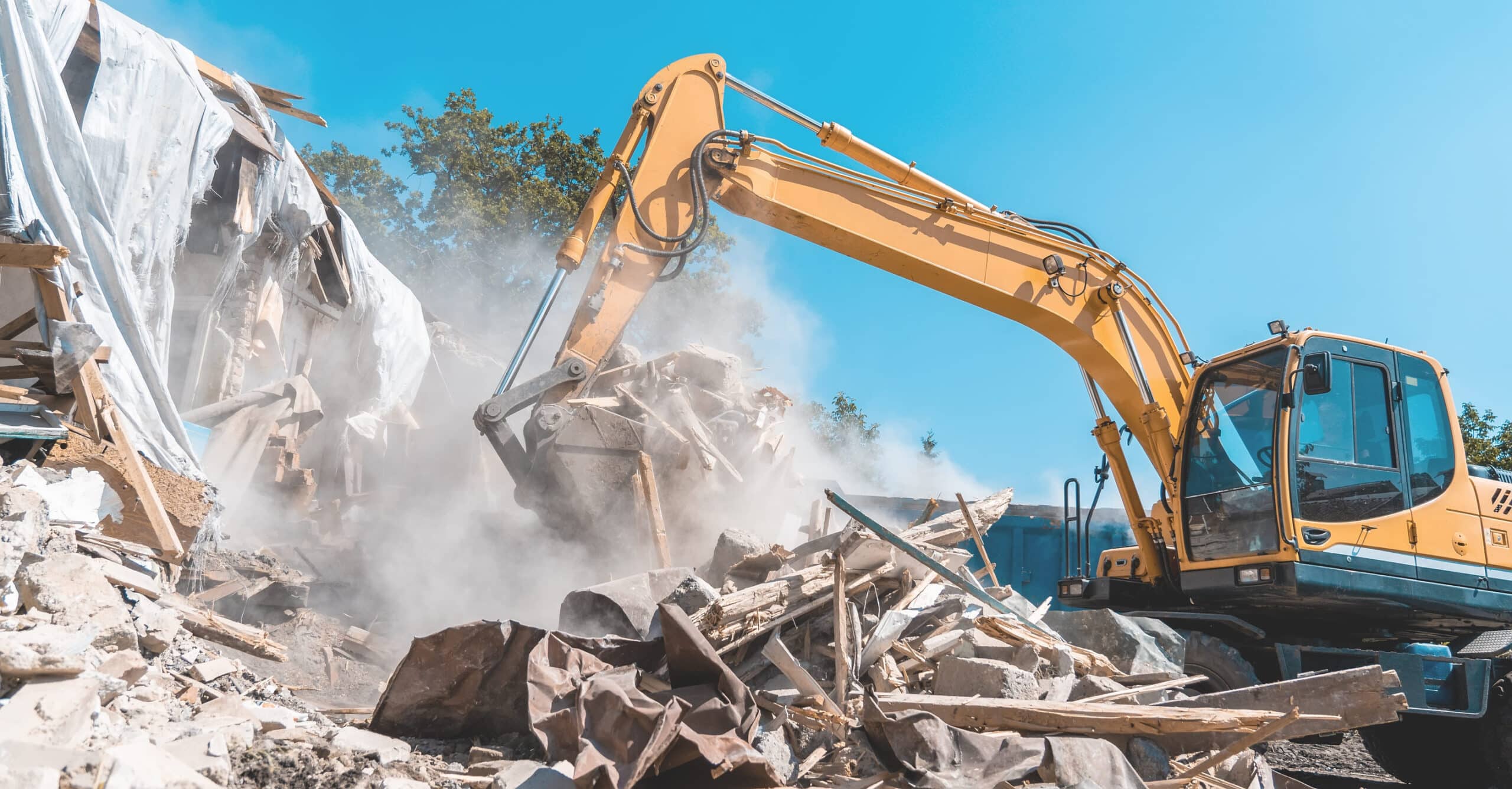
A safe demolition project starts with an understanding of the property and worksite to be demolished. Planning gives you peace of mind before any work begins.
In this guide, we explain the main demolition safety precautions, the five-step on-site process, and the controls that help protect people, property, and nearby services. Keep reading to see how a safe demolition process should work in Canberra and the surrounding regions.
What does safe demolition work involve?
Safe demolition work is the planned removal of a structure, carried out with checks, controls, and supervision to reduce risk. It is not just about bringing a building down, it is about ensuring the site is prepared, hazards are managed, and work is carried out in a controlled manner.
- A structure is assessed before work starts.
- Utilities are isolated or disconnected.
- Hazards such as asbestos and unstable materials are managed.
- Workers use the right equipment and protective gear.
- The site is kept secure for workers and the public.
A safe demolition site should also comply with the relevant Work Health and Safety requirements and the local ACT demolition codes of practice. This matters because demolition work creates risks that are not always present in other construction jobs.ablis.business.
Our five-step demolition process
A clear process helps keep the job safe, organised, and predictable. It also reduces delays and makes it easier to manage hazards from start to finish.
What happens in the first site check?
The first step is a site inspection to identify the building type, the condition of the structure, and any obvious hazards before work begins.
- The property is checked for any risk of instability.
- Access points, boundaries, and nearby assets are checked for potential issues.
- The demolition method is matched to the site conditions.
- Safety issues are recorded before the job starts.
How are utilities isolated before demolition?
All relevant services must be disconnected or made safe before demolition starts. This includes power, gas, water, sewer, and any other connected services.
- Utility providers are notified where required.
- Services are shut off, capped, or disconnected.
- The site is checked to confirm isolation.
- Clear records are kept before physical work begins.
How are hazards identified and controlled?
Hazardous materials and site risks are identified early so they can be managed properly. This includes asbestos, dust, sharp materials, unstable walls, and any hidden risks inside the structure.safeworkaustralia.gov+1
- Hazardous materials are identified before demolition.
- Licensed removal is arranged where required.
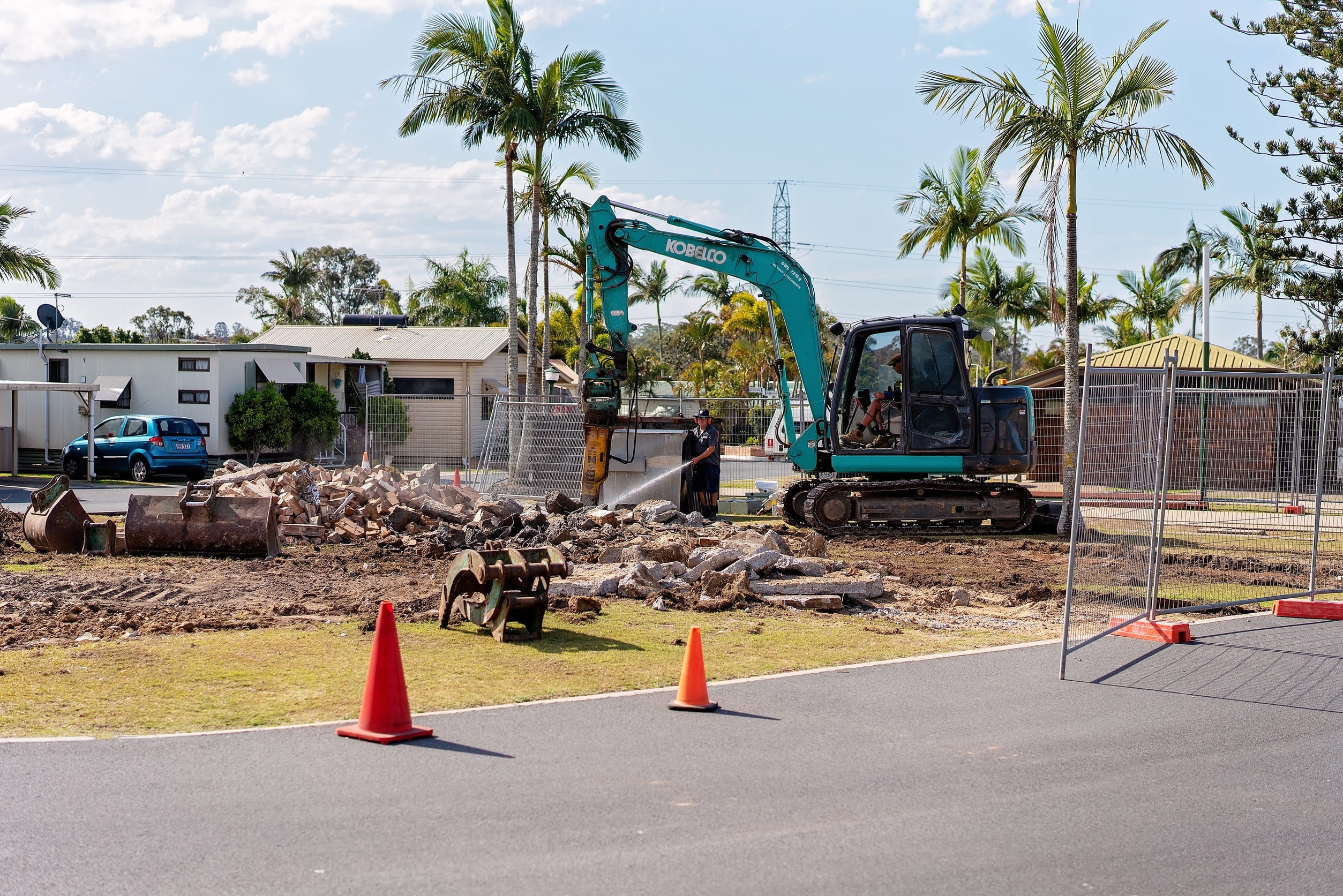
- Dust suppression measures are used.
- Unsafe areas are isolated until they are made secure.
How is the structure taken down safely?
Demolition is carried out in a controlled sequence so the structure comes down safely. Work should progress in a planned order, with unstable parts removed only when conditions are safe.
- Workers follow the approved demolition method.
- Load-bearing elements are managed carefully.
- Material is removed in stages.
- Collapse risks are controlled throughout the job.
How is the site cleared and made safe after demolition?
The final step is site clean-up and waste management. This includes removing debris, sorting waste, and leaving the site in a condition that is safe for the next stage of work.
- Debris is removed from the site.
- Recyclable material is separated where possible.
- Waste is transported and disposed of correctly.
- The site is checked before handover.
What are the main safety precautions during demolition?
The key to ensuring demolition safety Canberra is to reduce risk before demolition starts, then maintain control of hazards while work is underway.
Why must all utilities be isolated?
Utilities must be isolated to prevent demolition from damaging live services or causing a serious safety incident. Live electricity, gas, or water lines can put workers and nearby properties at risk.
- Electrical hazards are removed.
- Gas leaks and fire risks are reduced.
- Water and sewer damage is avoided.
- The site becomes safer for machinery and workers.
How are hazardous materials controlled?
Hazardous materials need to be identified and handled before demolition starts. Asbestos, lead-based materials, dust, and contaminated debris can pose health risks if they are not controlled correctly.safeworkaustralia.gov+1
- Hazardous materials are checked during planning.
- Licensed specialists remove materials where required.
- Dust is suppressed during work.
- Disposal follows the correct process.
How are falling materials prevented from causing injury?
Falling materials are controlled by working in the right order and keeping people out of danger zones. Demolition sites should use exclusion areas, barriers, and controlled removal methods.
- Unsafe areas are sealed off.
- Debris is managed in a controlled way.
- Workers do not stand under unstable materials.
- Tools and machinery are used carefully around weak structures.
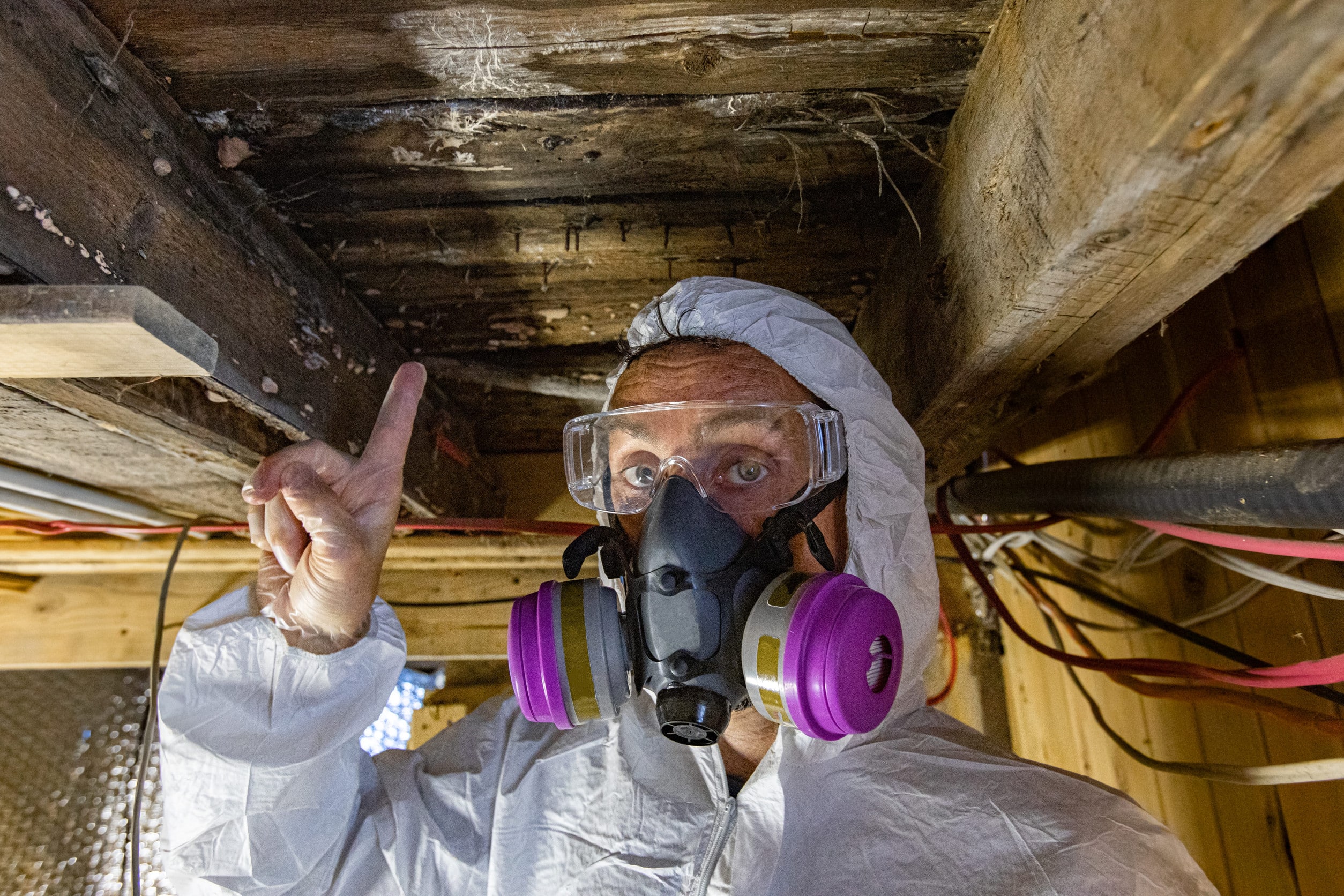
What PPE is used on demolition sites?
The right personal protective equipment, or PPE, protects workers from common demolition hazards. PPE should be checked before use and matched to the task.
- Hard hats protect against falling objects.
- Safety boots help protect feet from debris.
- Gloves protect hands from cuts and sharp edges.
- Eye protection helps guard against dust and fragments.
- Respiratory protection is used when dust or hazardous material is present.
FAQs
<23>What is the biggest safety risk in demolition?
Structural collapse is one of the biggest risks in demolition work. That is why inspections, sequencing, and exclusion zones are so important.
Do all demolition projects need a structural check?
Yes, a proper assessment is needed before demolition starts. The structure, nearby services, and site conditions all need to be understood first.
How is asbestos managed during demolition?
Asbestos must be identified early and removed or controlled by the correct licensed process where required. It should never be treated as a routine waste material.ablis.business.
What PPE is usually required on a demolition site?
The usual PPE includes a hard hat, safety boots, gloves, and high-visibility clothing. Respiratory equipment and eye protection may also be needed, depending on the task.
How does Capital Demolition Services keep demolition work safe?
Capital Demolition Services are trusted by Canberra locals for our reputation for safe demolition work.
Our demolition process involves planning each job and identifying hazards early. We include structural checks, utility isolation, hazard management, PPE, and careful site control, so the work is carried out with respect for people, property, and timelines.
If you need a safe demolition process in Canberra or the surrounding regions, contact us today to discuss your project and arrange the next step.





Leave A Comment