

Contaminated soil can be managed properly, and that means less risk, less confusion, and a safer site for everyone.
This guide explains site remediation Canberra, how it is assessed and the main remediation methods.
Read on to understand all you need to know about contaminated soil remediation Canberra.
What does contaminated soil mean?
Contaminated soil is soil that contains harmful substances above normal background levels, or at a level that may create a risk to people, property, or the environment. In practical terms, it may be affected by fuels, chemicals, asbestos, heavy metals, pesticides, or other hazardous materials.
What can cause soil contamination?
Common causes include:
- Fuel leaks from tanks or plant.
- Chemical spills from workshops or storage areas.
- Asbestos-containing materials buried or broken on site.
- Historical industrial use.
- Poor waste handling or dumping.
- Fire damage and ash contamination.
Why does contaminated soil matter?
Contaminated soil can affect:
- People, through direct contact, dust, or fumes.
- Groundwater, through leaching.
- Future construction work, through delays and added costs.
- Landscaping and gardening, through plant uptake and unsafe use.
How do you know if soil is contaminated?
The safest answer is that you usually cannot tell by sight alone. Some sites look normal but still contain contaminants below the surface, so testing is often needed before any removal, landscaping, or redevelopment work starts.
What are the warning signs?
Possible signs include:
- Strong fuel, chemical, or solvent smells.
- Stained soil or unusual discolouration.
- Buried waste, ash, rubble, or debris.
- Dead patches of grass or poor plant growth.
- Old underground tanks, workshops, depots, or dump areas.
- Previous land uses linked to chemicals, fuels, or industrial activity.
When should a site be tested?
Testing should be considered:
- Before excavation or construction.
- After a spill or leak.
- When buying or managing a site with a risky history.
- Before changing land use.
- If soil has an unusual smell, colour, or texture.
How do you heal contaminated soil?
Healing contaminated soil means reducing the hazard, removing the source where needed, and making the site safe for its intended use. The right method depends on the contaminant, how deep it is, how widespread it is, and what the site needs to be used for next.
What remediation methods are commonly used?
Common methods used:
- Excavation and disposal
- Contaminated soil is removed and taken to an approved disposal facility.
- On-site treatment
- Soil is treated on the property.
- Containment or capping
- Soil is isolated to reduce exposure.
- Bioremediation
- Natural processes break down some known contaminants.
- Soil washing or separation
- The physical removal of contaminants.
What are the most common contamination types?
Different contaminants need different responses. That is why soil remediation is not a one-size-fits-all job.
Which contaminants are seen most often?
Common examples include:
- Petroleum hydrocarbons from fuel and machinery.
- Asbestos from old building materials or dumped waste.
- Lead, arsenic, and chromium.
- Solvents and industrial chemicals.
- Pesticides and herbicides from older land uses.
- PFAS in some impacted sites.
Why is site validation important?
Site validation confirms the remediation work achieved the intended result. It gives owners, managers, buyers, and regulators more confidence that the site is safe for its current or planned use.
What does validation usually involve?
Validation can include:
- Visual inspection of excavation areas.
- Confirmation sampling.
- Laboratory analysis.
- Comparison against the required site criteria.
- Final reporting and documentation.
Can contaminated soil be reused?
Sometimes, yes, but only when testing and approvals show it is suitable. Reuse should never be assumed, because the wrong decision can spread contamination and create fresh compliance problems.
When is reuse possible?
Reuse may be possible when:
- Any contamination has been treated to a level deemed as acceptable.
- The material meets the relevant waste or reuse criteria.
- The site plan allows for safe reuse.
- An approved remediation strategy supports it.
FAQs
Can contaminated soil be cleaned without removing it?
Yes, in some cases. On-site treatment or containment can work when the contamination type and site conditions allow it.
Is contaminated soil always dangerous?
Not always, but it should be treated as a risk until tested. The level of risk depends on the contaminant, exposure path, and intended land use.
How long does soil remediation take?
It depends on the site size, contamination level, and chosen method. Small localised jobs may be quicker, while complex sites can take much longer.
Do I need a report after remediation?
Usually, yes. A report helps document the work, confirm the outcome, and support future use or sale of the property.
Can I just cover the soil and move on?
In some cases, containment is appropriate, but it must be designed properly. Simply covering contaminated soil without assessment can leave a hidden risk in place.
How can we help with contaminated soil remediation?
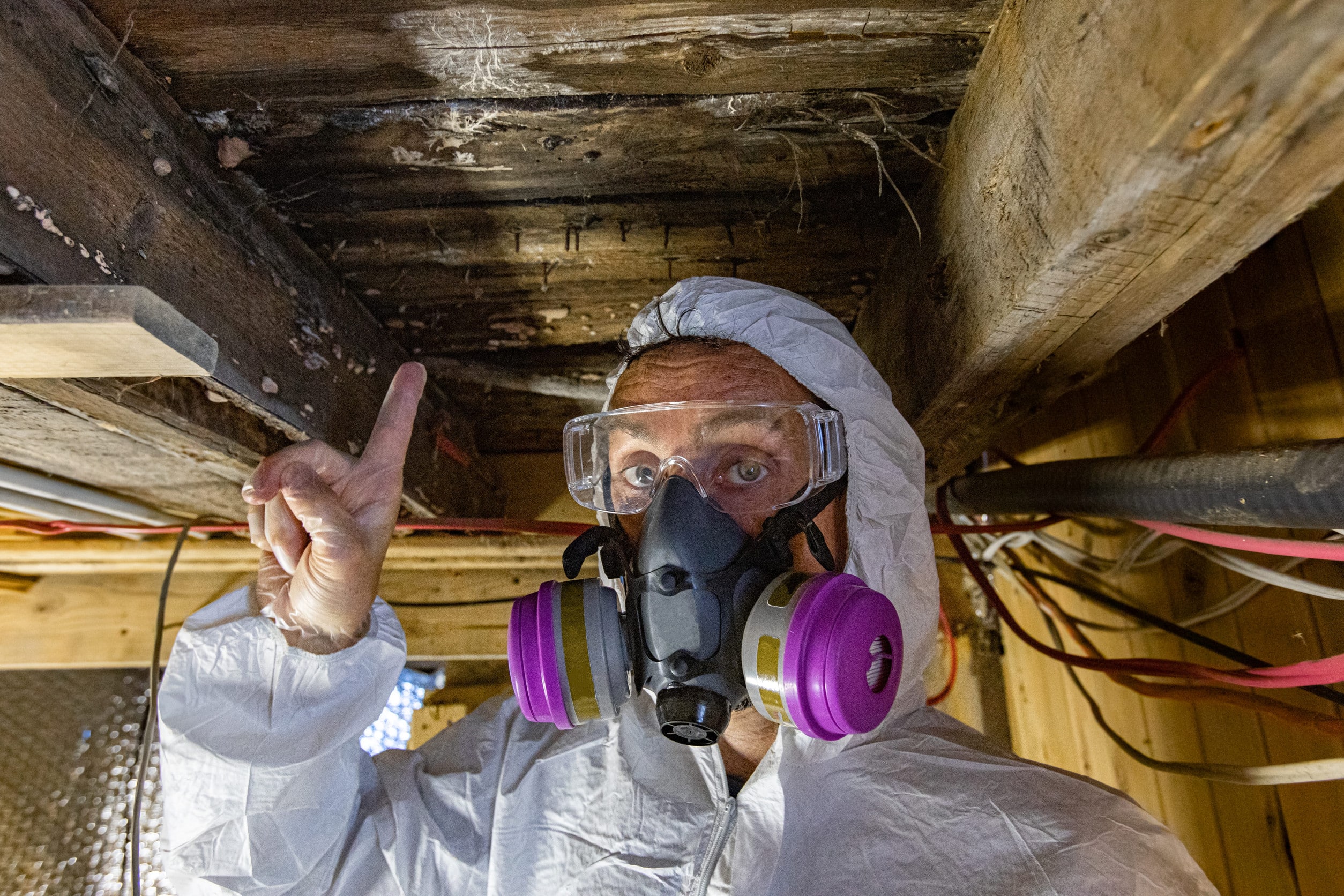
At Capital Demolition Services, we provide practical soil contamination treatment for Canberra, ACT, and surrounding regions. We help assess the issue, manage the work safely, and deliver a clear outcome that suits the site and the people using it.
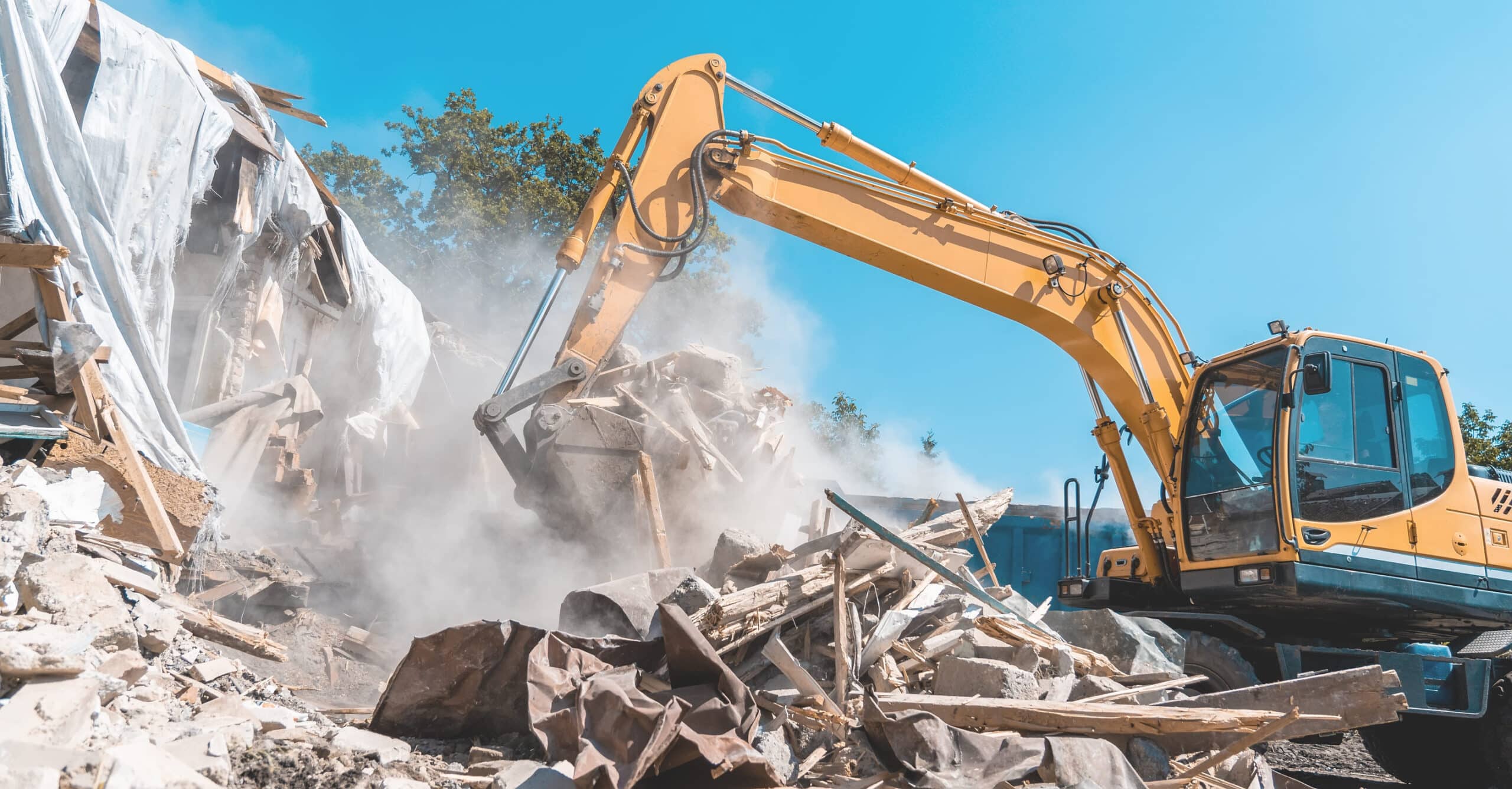
If you need contaminated soil remediation Canberra, site clearance, or advice before excavation starts, contact us to discuss the next step and arrange a site review.



Leave A Comment