
If your Canberra property was built before 1990, there is a reasonable chance it contains asbestos. Whether you are planning a renovation, preparing for demolition, or simply want to understand what is in your walls and roof, knowing the facts about ACT asbestos removal is essential.
This guide covers what asbestos is, where it is found, the types most commonly encountered in Canberra properties, and what the asbestos removal and disposal process looks like.

Asbestos in the ACT: Understanding the Local Context
Canberra has many properties built during the boom years when asbestos-containing materials (ACMs) were common in Australian construction. The ACT Government acknowledges the scale of the issue, and the region remains one of the most asbestos-affected urban areas in the country.
The ‘Mr Fluffy’ disaster
The most significant event in the ACT’s asbestos history is the Mr Fluffy crisis. Between the 1960s and 1980s, a Canberra-based contractor installed loose-fill asbestos insulation, supplied under the “Mr Fluffy” brand, into the roof cavities of more than 1,000 ACT homes.
Unlike bonded asbestos found in sheeting or tiles, this loose-fill material was friable, meaning it could crumble and release fibres easily. The ACT Government launched a remediation programme in the late 1980s and again in 2014, demolishing hundreds of affected homes. The crisis shaped how the ACT regulates asbestos removal and approaches it today.
Types of Asbestos Found in ACT Properties
There are six types of asbestos, but three were used extensively in Australian construction.
Chrysotile, or white asbestos
The most common form of asbestos in Australian buildings accounts for the large majority of ACMs found in domestic properties.
Where it is typically found:
- Corrugated and flat fibro roof sheeting
- Exterior and interior wall cladding
- Floor tiles and backing materials
- Pipe lagging and insulation
- Textured ceiling coatings (known as “popcorn” ceilings)
Amosite (Brown Asbestos)
The second most commonly used type of asbestos in Australian construction.
Common locations:
- Cement sheets used in wall and ceiling linings
- Pipe and boiler insulation
- Ceiling tiles, particularly in commercial settings
- Thermal insulation boards
Crocidolite (Blue Asbestos)
The most hazardous asbestos type. Its fibres are thin, straight, and needle-like, allowing them to penetrate deep into lung tissue more effectively than other types.
It is typically found in
- Spray-on fireproofing and insulation coatings
- Pipe insulation in older industrial and commercial buildings
- Some cement products
Any suspected crocidolite must be treated as a high priority for professional assessment and removal.
Friable vs. Non-Friable Asbestos: What Is the Difference?
The most important distinction in ACT asbestos law is whether a material is friable or non-friable. This helps determine the licence class required for removal and the level of precautions needed.
- Non-friable (bonded) asbestos: fibres are locked within a solid matrix, such as fibro sheeting or floor tiles. When in good condition and undisturbed, bonded asbestos poses a lower immediate risk, but it becomes dangerous as soon as it is cut, drilled, sanded, or broken
- Friable asbestos: can be crumbled to a powder by hand pressure alone. Fibres are far more easily released into the air. The Mr Fluffy loose-fill insulation is the ACT’s most prominent example
The Canberra Asbestos Removal Process: What to Expect
Understanding the process for professional asbestos removal Canberra helps property owners know what to expect.
Inspection and Testing
- A qualified asbestos assessor conducts an inspection of the premises.
- Suspected asbestos samples are sealed, labelled and sent to a NATA-accredited laboratory for analysis
- Laboratory results confirm the type, condition, and extent of asbestos present
Removal Planning and Regulatory Notification
- An asbestos removal control plan is prepared to include all appropriate safety measures.
- WorkSafe ACT must be notified in advance for certain classes of removal work, including the removal of any quantity of friable asbestos
Site Preparation and Containment
- The work area is sealed, and asbestos warning signs are erected
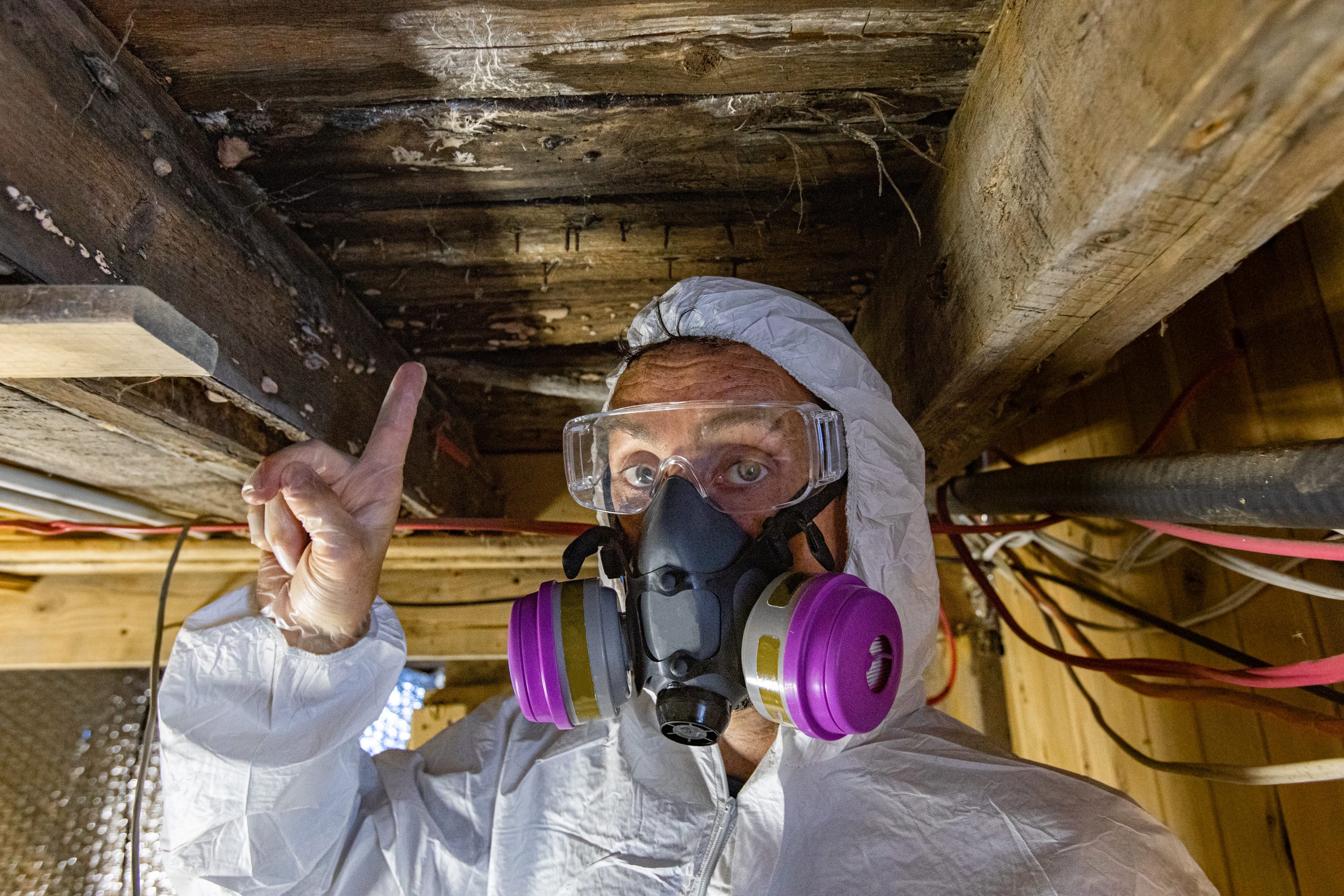
- Access is restricted to licensed workers wearing full PPE
- Negative-pressure air filtration units may be installed for friable asbestos jobs to prevent fibre migration beyond the work area
Removal of Asbestos Materials
- Wet methods are applied wherever practical to suppress dust
- Cutting, drilling, or grinding of ACMs is avoided unless strictly required
Packaging and Labelling
- Asbestos waste is double-wrapped in heavy-duty polyethene sheeting
- Each package is sealed securely and labelled
Disposal at an Approved Facility
- Asbestos materials may only be taken to accredited disposal facilities
- In the ACT, asbestos waste should be securely transported to the Mugga Lane and Mitchell Resource Management Centres
Clearance Inspection and Air Monitoring
- An independent licensed asbestos assessor inspects the work area
- For friable asbestos jobs, air monitoring is required to confirm that airborne fibre concentrations are within the acceptable limits set by Safe Work Australia
- A clearance certificate is issued once the area is confirmed safe
Professional Asbestos Removal in Canberra
When it comes to ACT asbestos removal, working with a licensed, experienced contractor is a legal requirement and the only way to ensure the safety of your family or your workers.
Capital Demolition Services provides asbestos removal services across Canberra and the ACT. Our team have all the necessary licences and works across residential, commercial, and industrial properties. From initial inspection through to certified clearance, every stage of the process is managed in full compliance with ACT legislation and Safe Work Australia guidelines.
To arrange a professional inspection or request a quote for asbestos removal in Canberra, contact Capital Demolition Services today.
Visit our asbestos removal page for more details.





Leave A Comment