
Whether you are planning a new development, preparing a site for sale, or have recently completed a demolition, contaminated land does not have to be a dead end. With the right process and the right team, site remediation in Canberra and the ACT can bring even the most complex sites back to a safe, usable condition.
Contaminated land is more common than many property owners realise, and, in the ACT, regulatory requirements mean that contamination issues generally need to be resolved before a development approval or occupation certificate can be issued.
This article covers everything you need to know about ACT site remediation, including the most common types of contamination found on Australian sites, how the remediation process works from initial investigation through to compliance reporting, and what to expect in terms of timeframes. If you are dealing with a contaminated site or simply want to understand your obligations before a project begins, read on.

What Is Site Remediation?
Canberra site remediation is the process of identifying and treating contaminated land to make it safe for future users.
- Contamination can be left behind by previous industrial, agricultural, or commercial use
- Remediation returns land to a condition suitable for its intended future purpose
- It is often a requirement before development approval is granted
- In the ACT and surrounding regions, remediation must comply with federal and territory environmental regulations
Why Site Remediation Matters in Canberra and the ACT
A growing population and the growing demand for land redevelopment in Canberra and the ACT are driving the need for remediation services.
If contamination is left untreated, there may be risks to public health, groundwater, and neighbouring properties.
- Canberra’s expanding residential and commercial precincts mean more brownfield sites entering the development pipeline
- Many older sites in the ACT have contamination from fuel storage, asbestos, or industrial chemicals
- Councils and the ACT Planning Authority typically require site investigation reports before issuing development approval
- Untreated contamination can affect property values, insurance, and legal liability
Types of Contamination Commonly Found on Sites
Some of the most frequently encountered contaminants in Australia include:
Hydrocarbons
- Often associated with underground fuel storage tanks, service stations, and vehicle workshops
- Petroleum hydrocarbons can leach into the soil and groundwater, posing health and fire risks
- Common indicators: discolouration of soil, odour, or visible sheening on water
Asbestos
- Particularly prevalent on sites where older structures have been demolished or where historical fill was imported
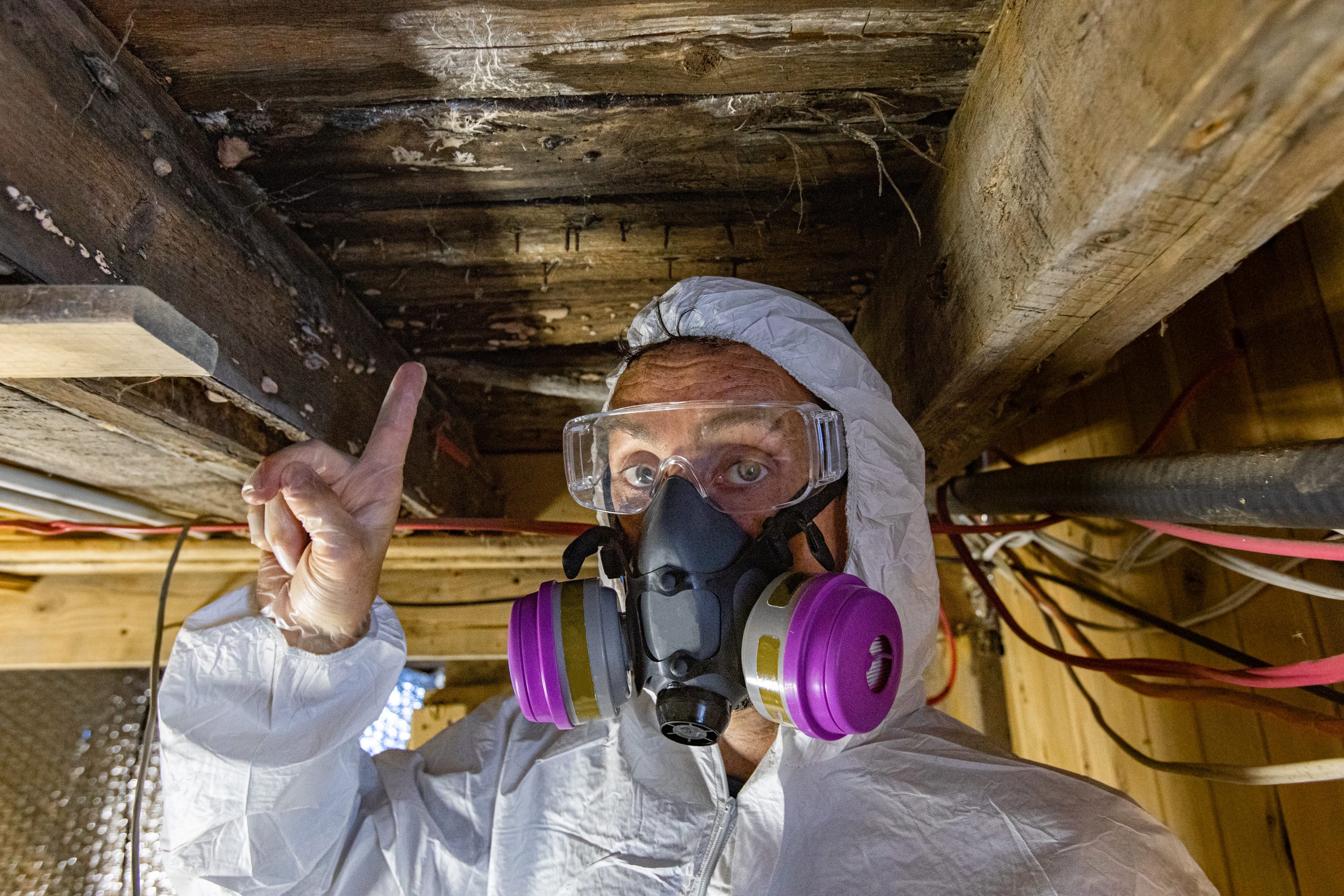
- Both bonded and friable asbestos can be present, requiring careful identification and handling
- In the ACT, asbestos removal and disposal must comply with strict regulatory requirements
Heavy Metals
- Lead, arsenic, chromium, and other heavy metals are common on former industrial, mining, or agricultural sites
- Can persist in soil for decades and can cause serious health issues if contaminated dust is inhaled
- Treatment methods vary depending on concentration levels and the intended future use of the site
Organic Chemicals
- Includes solvents, pesticides and herbicides
- Often associated with dry-cleaning operations, agricultural use, and defence or airport sites
- PFAS contamination is a growing concern across Australia, including parts of the ACT and its surrounds
Contaminated Fill and Mixed Waste
- Sites used for historical dumping or those where imported fill was used without documentation may contain a mix of contaminants
- Requires a thorough investigation to characterise the full extent of the issue before remediation can begin
How Does the Site Remediation Process Work?
In this section, we walk through the typical stages of a remediation project from first assessment through to validation.
Preliminary and Detailed Site Investigation
- A Preliminary Site Investigation (PSI) reviews the site’s history, land use, and likely contamination sources
- If contamination is identified or suspected, a Detailed Site Investigation (DSI) is conducted, involving soil and groundwater sampling and laboratory analysis
- Results are presented in a formal report, which is submitted to the relevant authority as part of the planning or development application process
Remediation Action Plan
- A Remediation Action Plan (RAP) is developed based on the findings of the DSI
- The RAP sets out the remediation strategy, treatment methods, timeframes, and performance criteria
- Regulatory approvals from the ACT EPA or local council may be required before physical works commence
Remediation Works
- The treatment approach is selected based on the type and extent of contamination, site conditions, and future land use
- Common treatment methods include:
- Excavation and off-site disposal of contaminated soil
- The use of microorganisms to break down organic contaminants
- Chemical treatment for heavy metals
- Soil washing to separate contaminants from soil particles
- Groundwater extraction and treatment where aquifer contamination is present
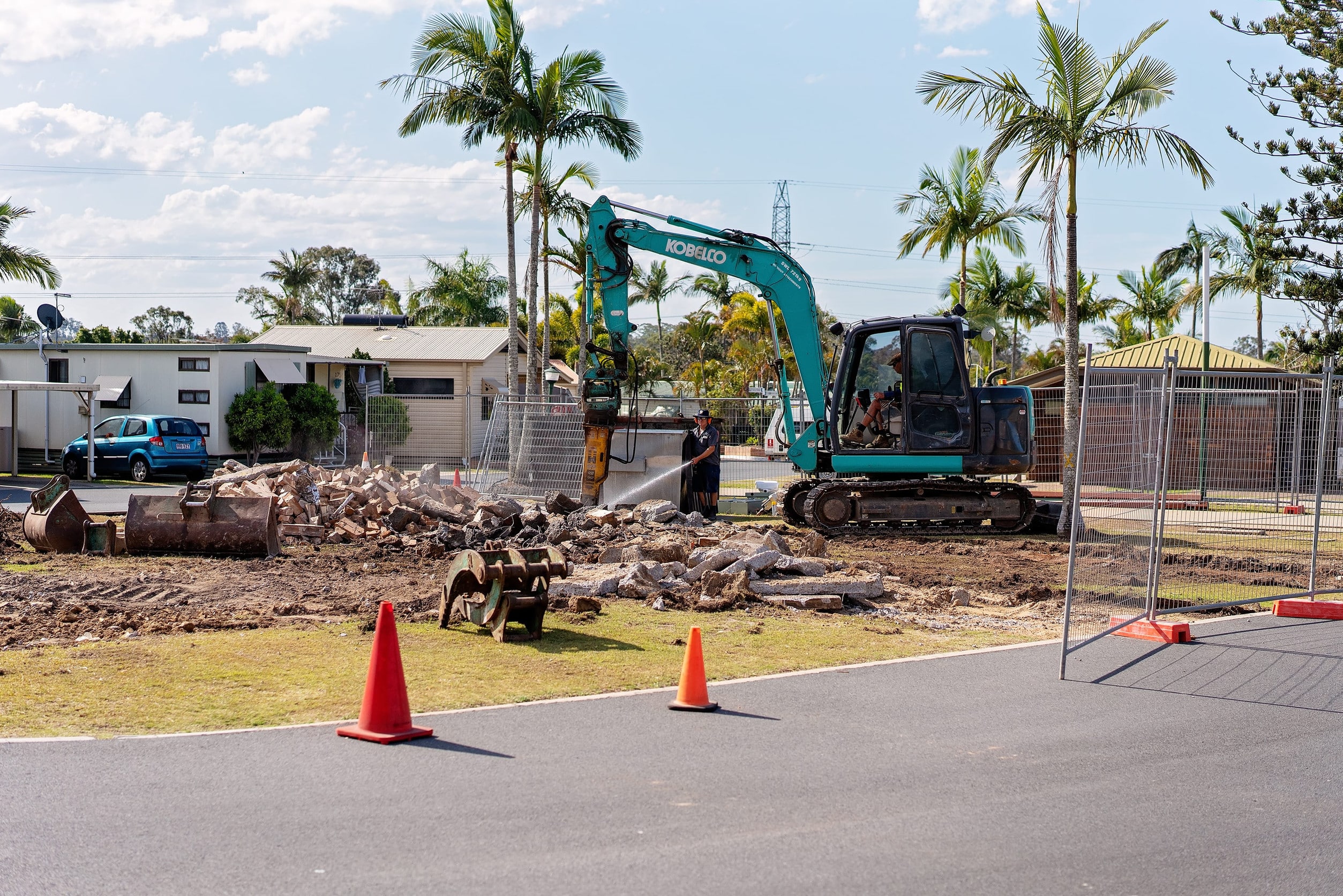
- Environmental controls such as dust suppression, noise management, and sediment fencing are implemented throughout the works
Validation and Compliance Reporting
- Once remediation is complete, an independent environmental consultant prepares a Validation Report
- The report confirms that contamination has been reduced to acceptable levels in line with the intended land use
- Validation is required before development approval or occupation certificates are issued
- In some cases, a Site Auditor accredited by the relevant EPA scheme independently reviews the remediation outcome
How Long Does Site Remediation Take?
This is a common question from property owners and developers. Of course, the answer is that every project is unique.
- A site remediation project plan varies depending on the site location and the type and extent of contamination
- An asbestos removal and soil clean-up may be completed in days; a complex hydrocarbon or PFAS project may take months or longer
- Investigation, planning, and approval processes can add considerably to overall project timelines
- Early engagement with an experienced remediation contractor can help streamline the process
Talk to a Site Remediation Specialist in Canberra
With Capital Demolition Services, our experience, local knowledge, and capability across both demolition and site remediation across Canberra and the ACT mean you are guaranteed a safe, speedy, efficient project.
Get in touch today with your requirements, and we’ll arrange a site visit and prepare your free quote.






Leave A Comment