

Residential demolition in Canberra requires careful planning, proper permits, and compliance with ACT regulations.
This guide takes you through everything you need to know about house demolition in the ACT, from understanding safety requirements to getting local authority approvals.
We finish with a step-by-step guide to ACT house demolition.
Why Property Owners Choose Residential Demolition
Property owners across Canberra and the ACT region decide to demolish their homes for many reasons, including
- The property is damaged, with safety concerns, so repairs are deemed to be uneconomical
- The house feels old and outdated, with poor energy efficiency
- The presence of asbestos or other hazardous material means the property must be completely removed
- Subdivision of the block to enable a multi-dwelling development, and the opportunity to profit from the land
- The home no longer suits you or your family’s needs or lifestyle
ACT Demolition Regulations and Permits
The approval process for ACT house demolition is there to ensure the work is carried out safely and your contractors have plans in place for neighbouring properties and the environment.
Development and Building Approvals
Approvals must be in place before any work can begin on your site:
- A Development Approval (DA) is normally required for residential demolition
- The issue of a Building Approval (BA) confirms your demolition plans meet the necessary safety and environmental standards
- WorkSafe ACT should be notified of your plans at least five days before demolition is planned to begin
- Your chosen demolition contractors must be licenced and insured
- Heritage-listed properties may need additional paperwork for approval to be granted
Asbestos Inspection Requirements
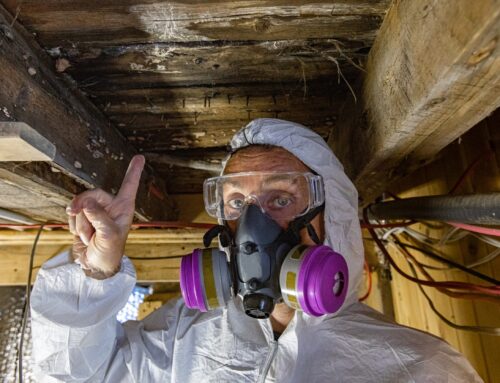
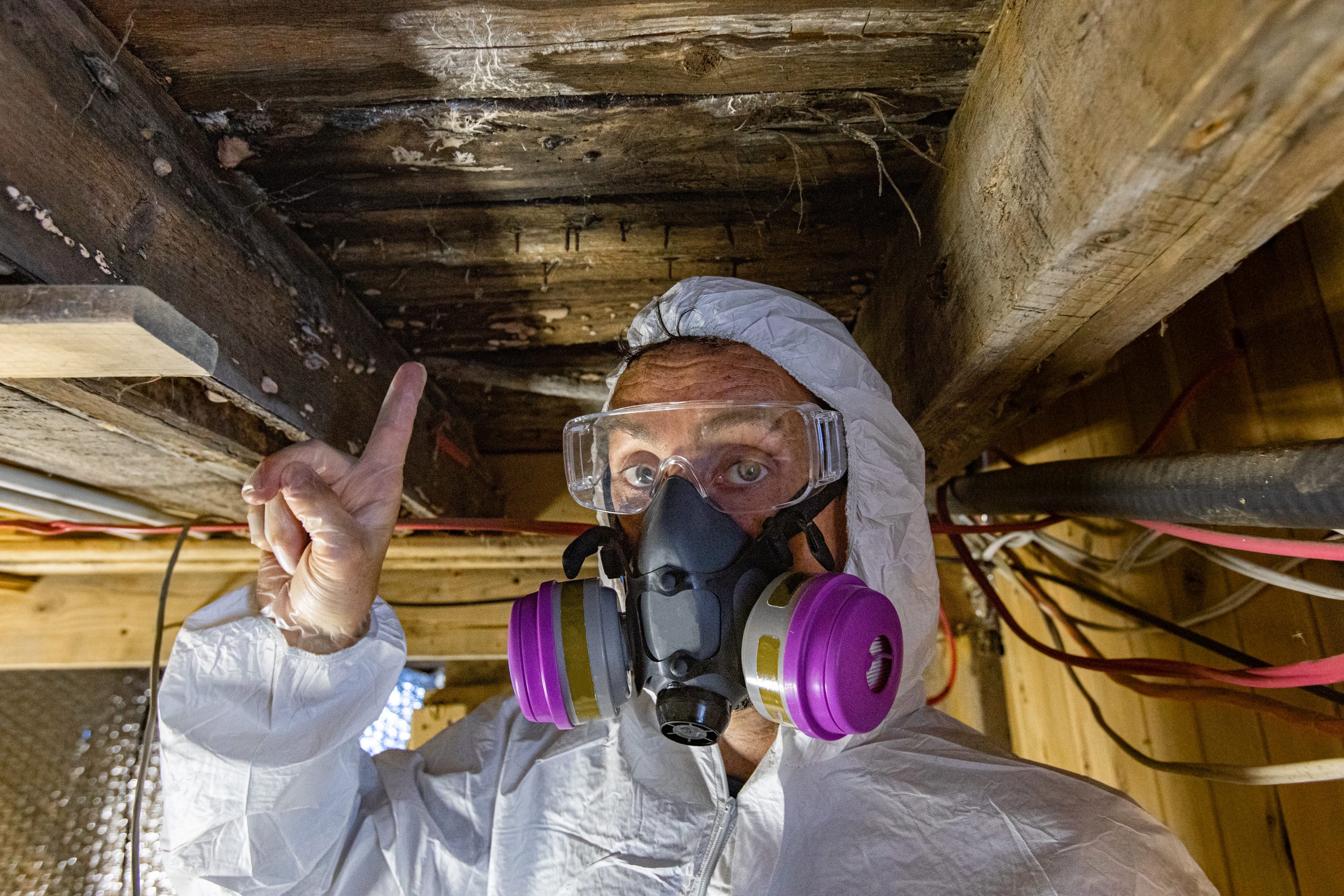
Asbestos is expected to be present in Canberra homes built before the 1980s. You must ensure asbestos management measures are taken:
- Property inspections are conducted by licensed assessors before any demolition work can start
- Only licensed asbestos removalists should handle any asbestos-containing materials (ACMs)
- Asbestos waste may only be disposed of at licensed facilities
- Clearance certificates, as proof of asbestos removal, must be obtained before demolition takes place
Safety Management in ACT House Demolition
Safety standards should be a priority for residential demolition projects in Canberra to protect workers, neighbours, and passers-by.
Safe Work Method Statements
Safety plans are part of the documentation required to obtain approvals for demolition work.
- Safe Work Method Statements (SWMS) document how certain high-risk tasks will be carried out
- The demolition is planned to prevent the collapse of walls, ceilings, or roofs
- Plans are submitted for safe working at height
- An emergency response plan shows the planned procedure in case of an incident
- All workers must have had up-to-date training
- Site supervisors should ensure compliance with all safety procedures
Site Security and Public Safety
Protection for neighbours and the wider community is essential.
- A fence around the work site prevents unauthorised entry
- Access is restricted and controlled, so only essential workers can get onto the site
- Signs should be put up to warn passers-by of demolition work
- Liaise with your neighbours so they are aware of planned work and demolition schedules
- 24-hour security patrols may be needed at some locations to prevent site access and keep valuable tools and equipment safe
Common Challenges in Canberra Residential Demolition
Even well-planned projects can have issues that may cause delays and additional costs. Experienced professional demolition contractors will know how to handle these challenges.
- Older houses across the ACT may contain asbestos-containing materials (ACMs) from the original construction or renovations. This may only be removed by licenced operators
- Sometimes, underground services or utilities aren’t located where plans show them to be
- Site access for equipment and trucks can be difficult in Canberra suburbs with narrow streets or tight turning spaces
- Bad weather can cause delays, particularly the rain during Canberra’s wet winter months
- Heritage properties and suburbs may be subject to certain restrictions or conditions regarding demolition
The Step-by-Step Residential Demolition Process
Understanding what happens during each phase of a Canberra house demolition helps you know what to expect.
Initial Site Assessment
Every demolition project starts with site assessment and planning.
- An inspector carries out the site survey to identify any hazards or challenges
- Underground services and utilities are located and marked
- A structural assessment of the house will help to determine the most effective demolition method
- The inspector will review site access for machinery and waste removal trucks
- The visit will enable the creation of safety plan documents, risk and issue management, likely timelines and a detailed quote
Permits and Approvals
Note that the approvals process can take longer than expected.
- Demolition plans and supporting documentation are submitted to the relevant local authorities
- WorkSafe ACT must be sent plans at least five days before starting demolition work
- Approval may include conditions on demolition methods or working hours
Utility Disconnection and Service Isolation
Services and utilities must be disconnected before work can begin.
- Electricity, gas, water, and telecommunications should be disconnected by professionals
- Get in touch with service providers as early as possible to book disconnection appointments and avoid delaying the demolition start date
- Services will be made safe and capped so they can be reconnected to any future buildings on the site
Hazardous Materials
All hazardous materials must be removed before demolition begins.
- Asbestos-containing materials may only be handled and removed by licensed experts
- Lead paint and other hazardous substances should be removed and disposed of properly
- Clearance certificates, confirming the removal of materials that may be harmful to health, are issued before demolition proceeds
Demolition Work
The actual demolition work begins.
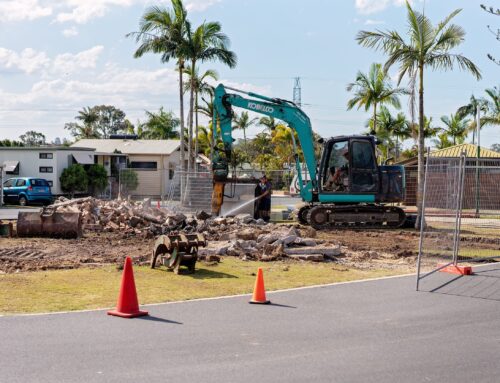
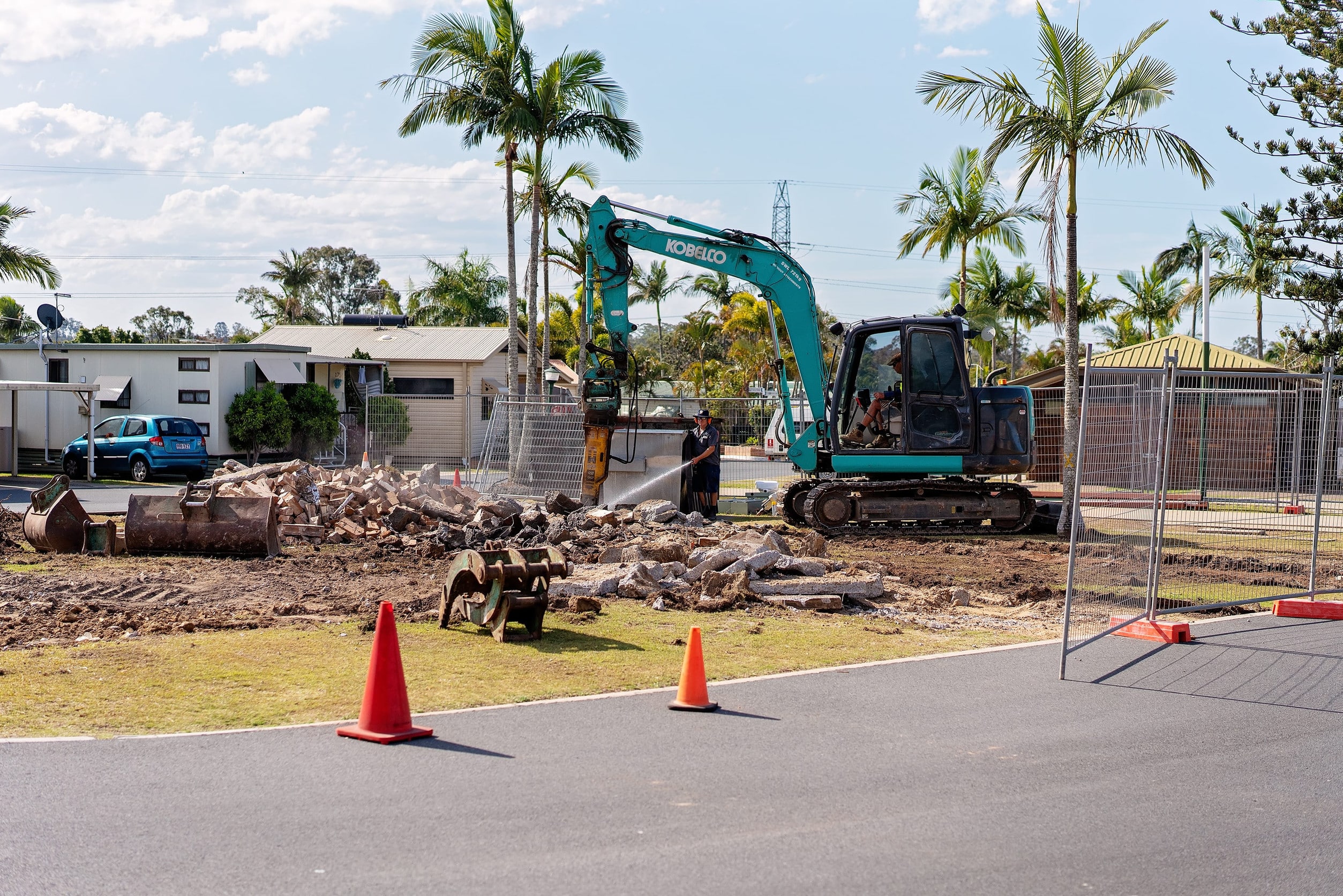
- Fences are placed at the site perimeter
- Safety barriers and signs protect workers and the neighbourhood
- Systematic dismantling follows the planned and approved demolition sequence
- Water sprays are used to manage dust
- Working hours are normally restricted in residential suburbs
Waste Management
Often, managing waste responsibly is a regulatory requirement and beneficial to the community and the environment.
- Materials are sorted into different waste categories for processing
- Concrete, bricks, and masonry can be recycled
- Metal components are sent for scrap recycling
- Timber may be reused, recycled, or disposed of
- General waste is taken to registered disposal sites
- Site levelling prepares the ground for future work
- The Soil is checked for contamination
- Documentation is issued to confirm waste handling methods and environmental compliance
Planning Your Residential Demolition in Canberra
At Capital Demolition Services, we specialise in residential demolition across Canberra and the ACT, bringing local expertise and professional, efficient service to every project.
Visit our residential demolition services page to find out how we can help with your Canberra house demolition project.





Leave A Comment